
Financial Inclusion Through Remittances

Over the past decade, international remittances have become a crucial financial tool for millions of households in the United States and beyond. Often seen only in the context of supporting family abroad, they also play a significant role domestically, serving as a routine financial activity for working families, a first touchpoint with the formal financial system, and a catalyst for broader economic empowerment.
These funds, typically sent in small, regular amounts, support recipients’ basic needs such as food, education, and medical care, but also provide capital for family-owned businesses and other economic projects.
Many unbanked and underbanked households in the U.S. rely on remittances as a routine financial activity — in fact, they are almost twice as likely to use them compared to banked households. This pattern highlights a major opportunity: remittances can act as an entry point to transaction and savings accounts, credit, insurance,
and other financial services.
Yet significant barriers remain. Many services are costly or complex, and while digital platforms improve speed and affordability, not everyone has the skills or infrastructure to use them. For this reason, brick-and-mortar providers remain essential, even as digitization offers the greatest potential for expanding financial inclusion.
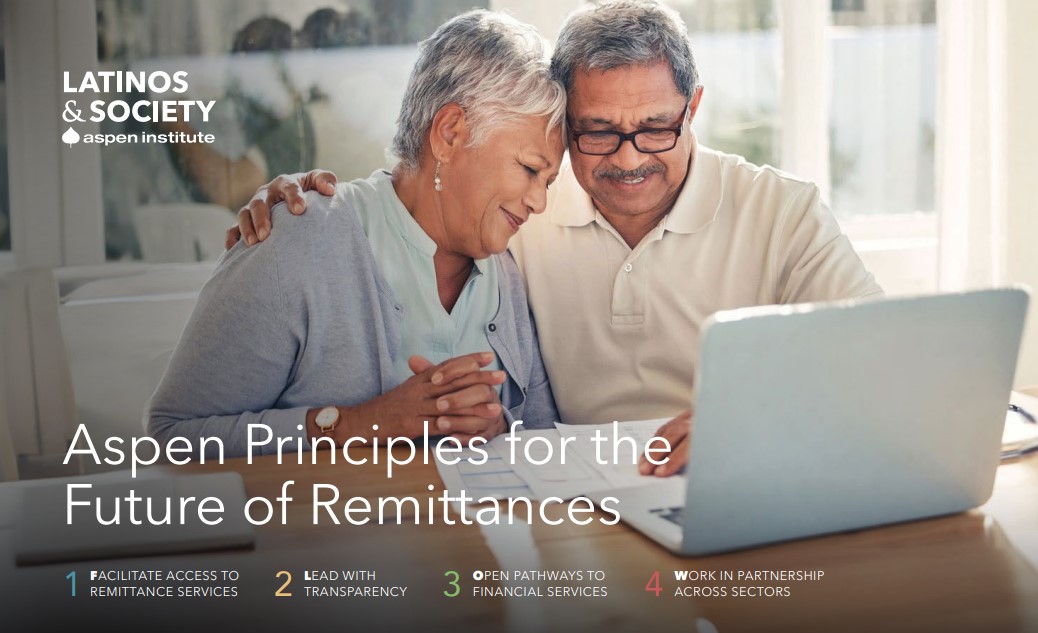
The Aspen Principles for the Future of Remittances provide actionable guidelines to expand financial access, empower consumers, and strengthen remittance systems in the United States and beyond. Developed with experts from finance, policy, advocacy, and philanthropy, these principles address the key challenges facing remittance users today.
Together, they offer a roadmap for policymakers, financial institutions, service providers, and community organizations to create a more inclusive and transparent ecosystem.

Explore the Report
Access the complete Aspen Principles for the Future of Remittances to explore actionable steps that expand financial access, empower consumers, and strengthen remittance systems.


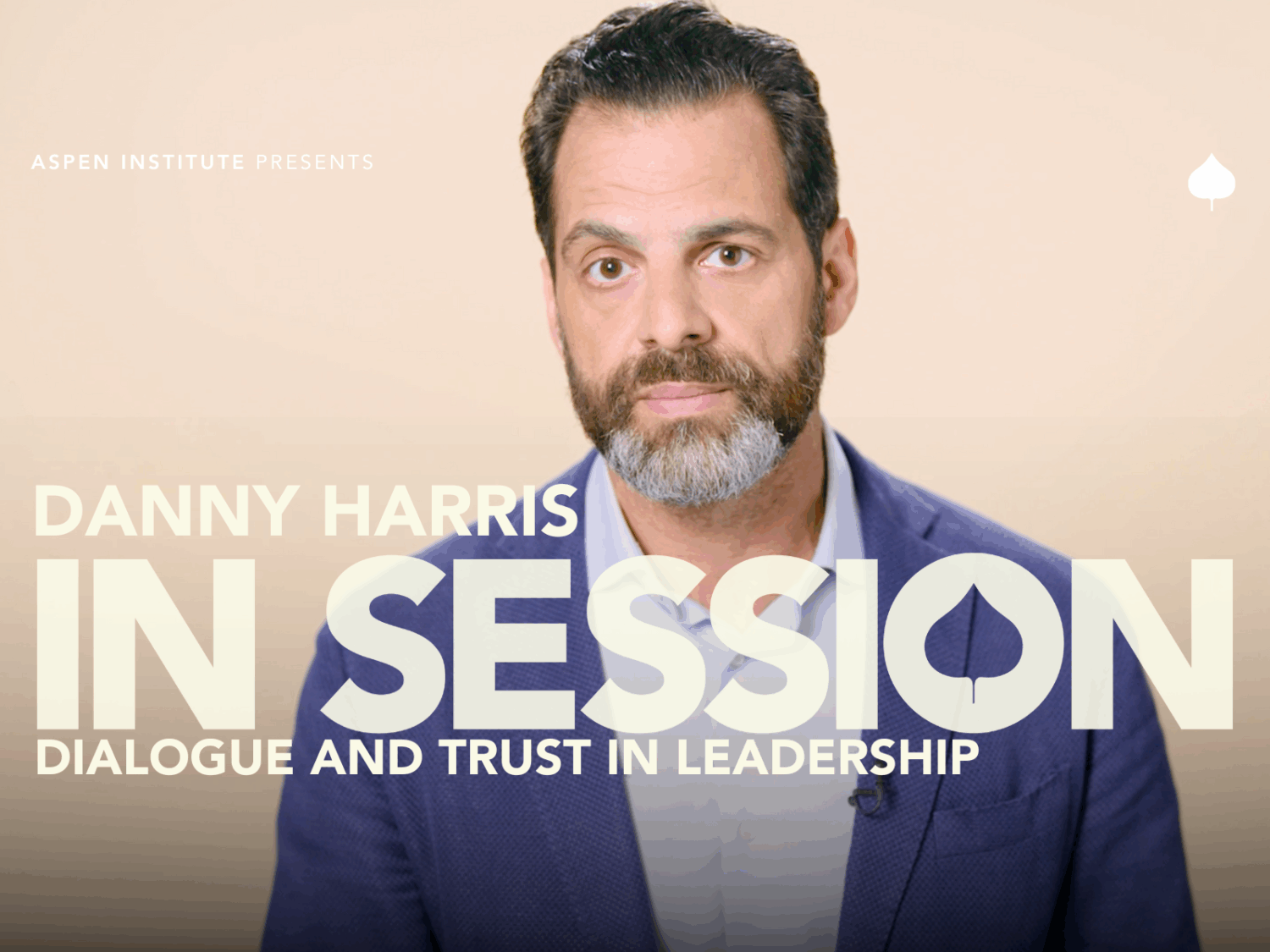
In Session: Danny Harris
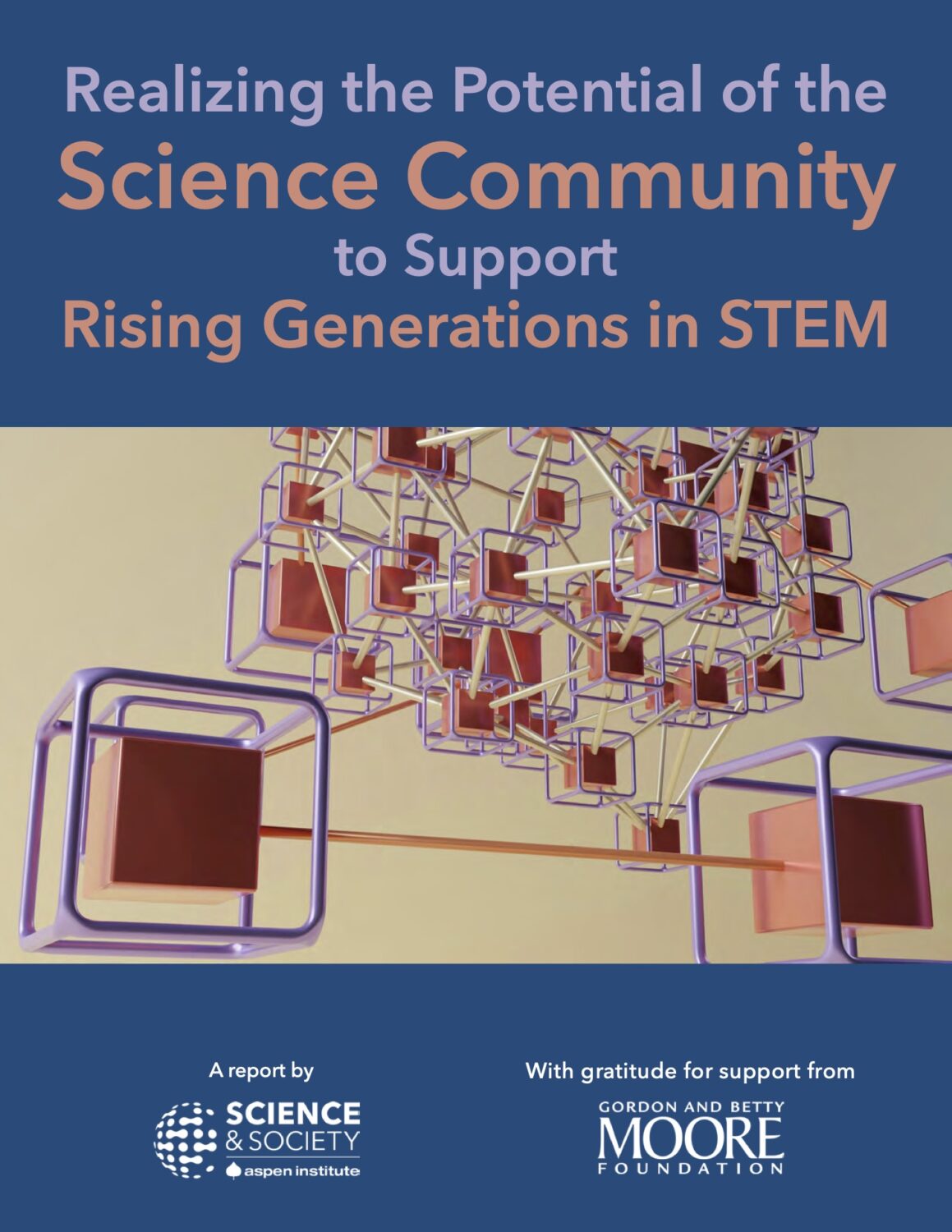
Realizing the Potential of the Science Community to Support Rising Generations in STEM

Leading with Purpose: Why Bodily Autonomy is the Ultimate Act of Freedom

In Session Reflections
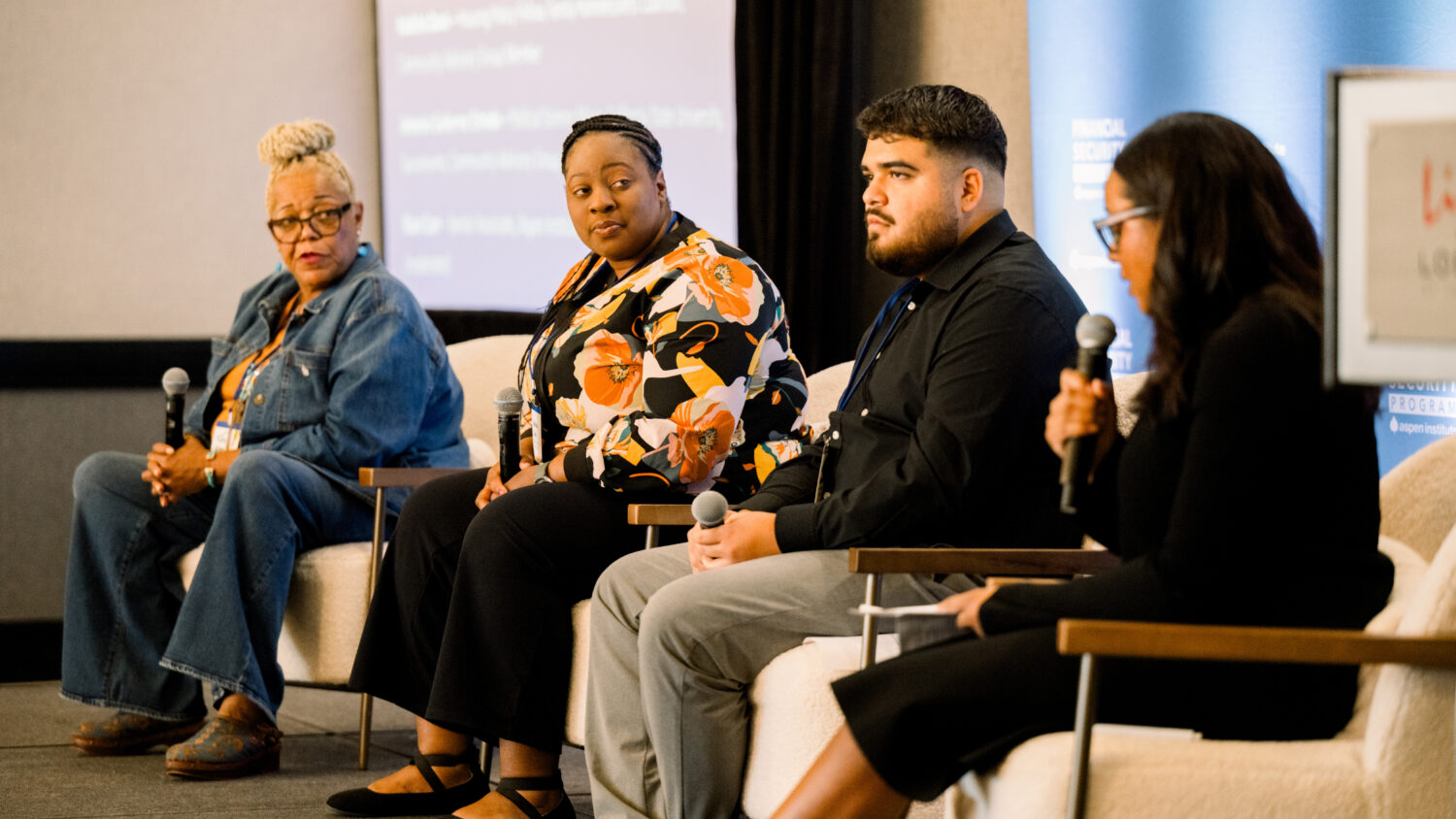
Why Current Solutions Fail Our Most Painful Financial Shocks: Insights from our Community Advisory Group
In Session: Alex Azar
Subscribe to Our Newsletter
Sign up for our email list to receive exclusive updates on program news, releases, events, and more!